Rapid prototyping
Clickable prototypes in days, the first working ones in a few weeks. Iterative implementation with regular reviews shows you continuously what is finished and what comes next.
Online platforms, portals and business applications, developed with agile methods on the cloudtec Stack. Prototype and finished platform come from the same team, which then also takes responsibility for operations.
The illustration shows a branch graph: two side branches split off from the main branch and merge back into it, and the graph ends in a highlighted release point.
We have built on Symfony since 2013. Around 60% of a typical platform comes ready-made from the cloudtec Stack from day 1: user management, API layer, roles and hosting. You invest in the logic that defines your business.
Clickable prototypes in days, the first working ones in a few weeks. Iterative implementation with regular reviews shows you continuously what is finished and what comes next.

In small steps we clarify the scope, develop, check the result with you and deploy. Requirements are prioritised continuously, not fixed once and then worked through.

Security requirements feed into every architecture decision. The ISMS covers development, hosting and operations as one continuous process.
The stack is suited to different types of platform. What they all have in common: modular architecture, an API-first approach and long-term operations as an integral part.
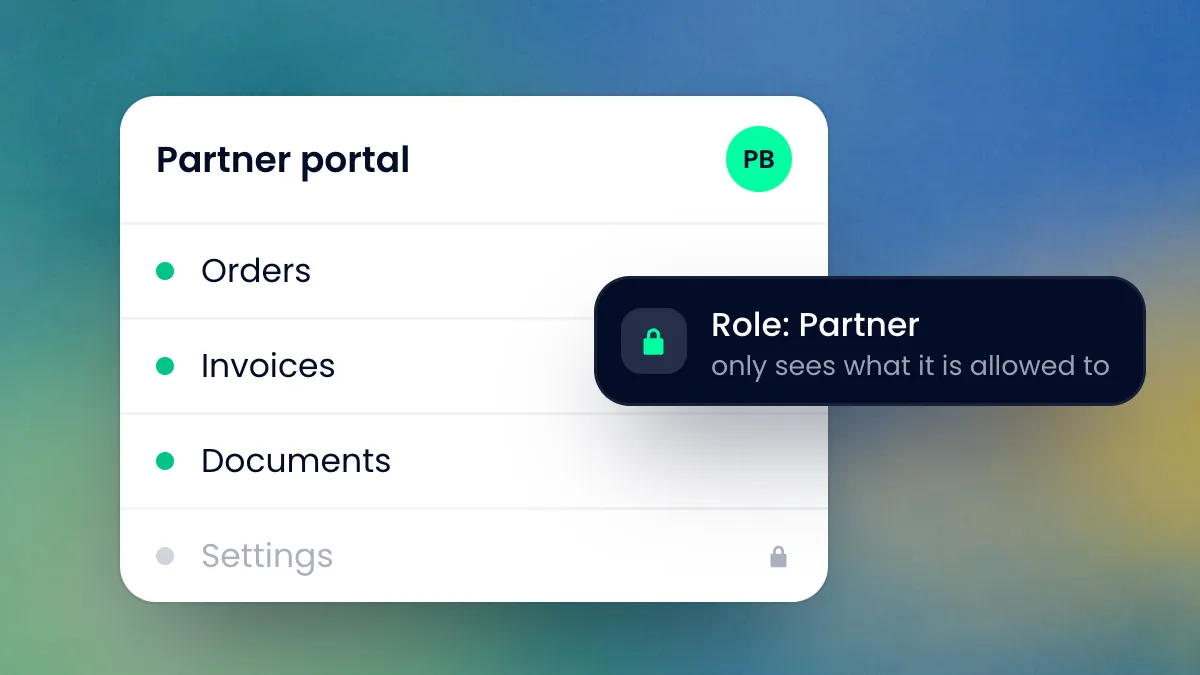
Protected areas that an organisation offers its customers, partners or employees: with roles, permissions and individual business logic.
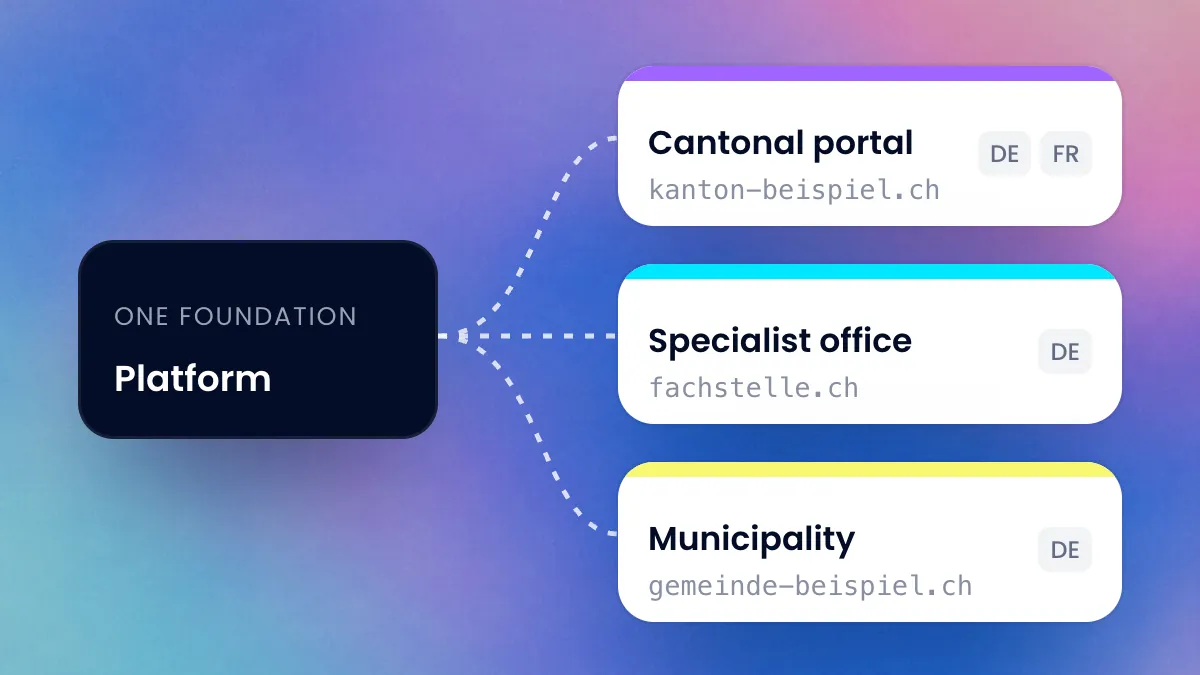
Many websites on one shared foundation. Each tenant has its own domains, languages, content and permissions, and no other tenant sees its data.
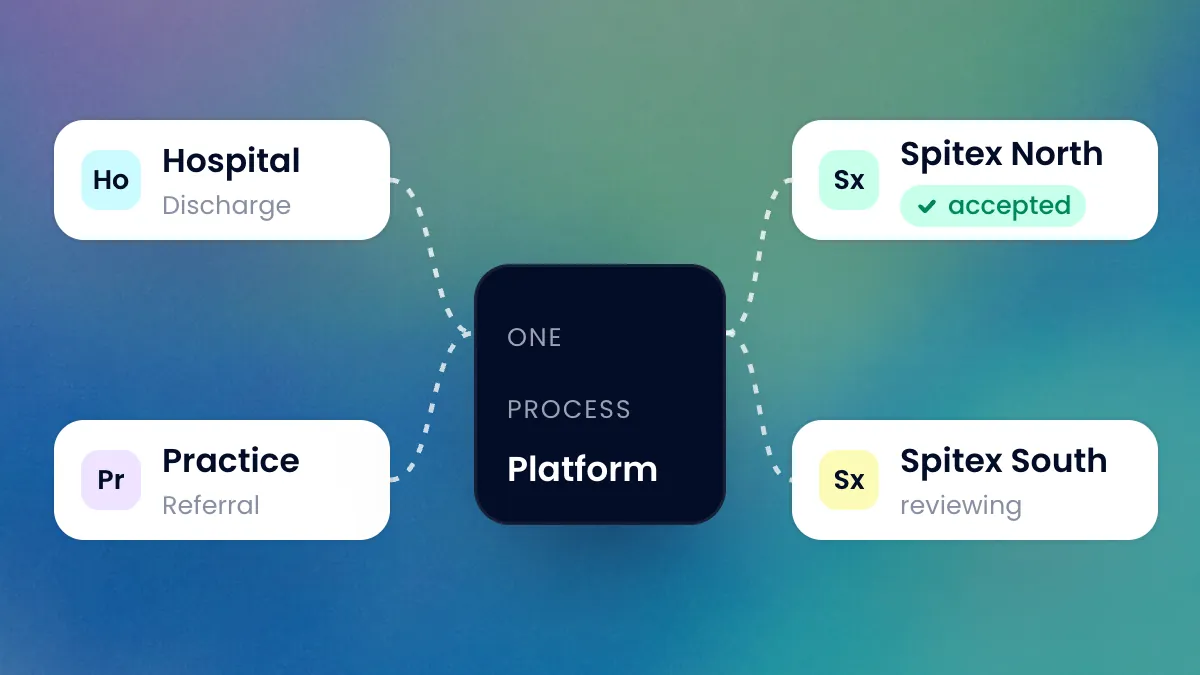
Platforms that connect an entire industry: registrations between hospitals and Spitex organisations, applications between interested candidates and employers, competitions from club to federation. Many organisations and roles, one shared process.
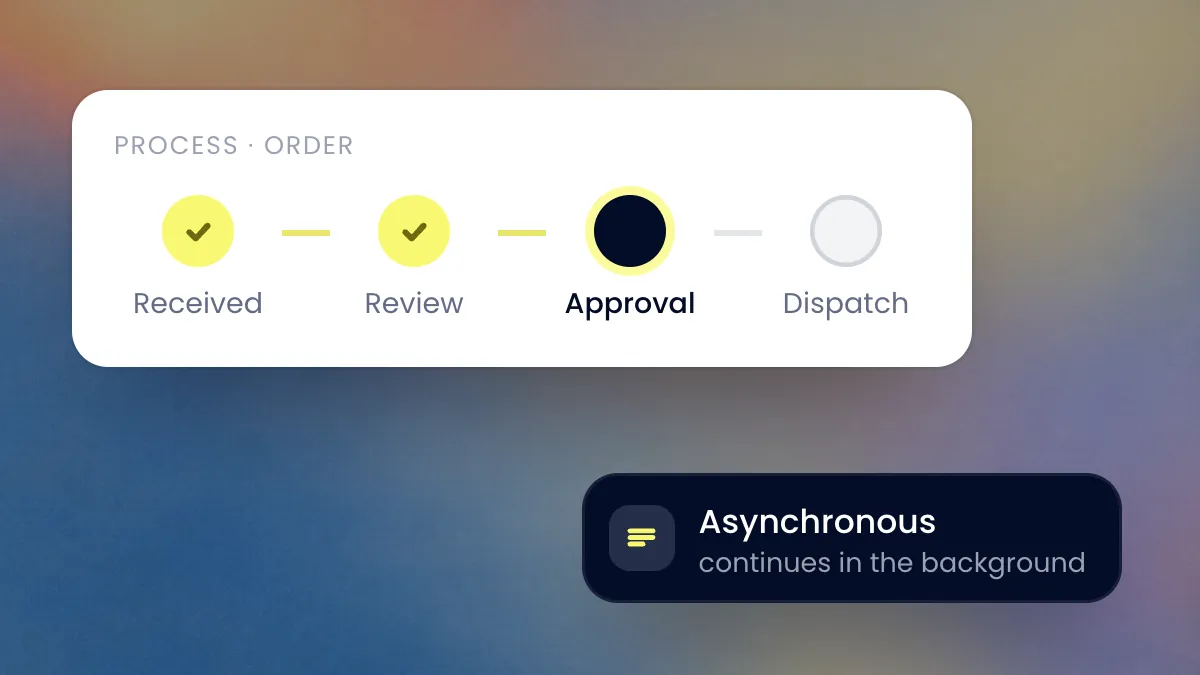
Process automation with Symfony Messenger and an event architecture. Asynchronous processing for reliable business processes.
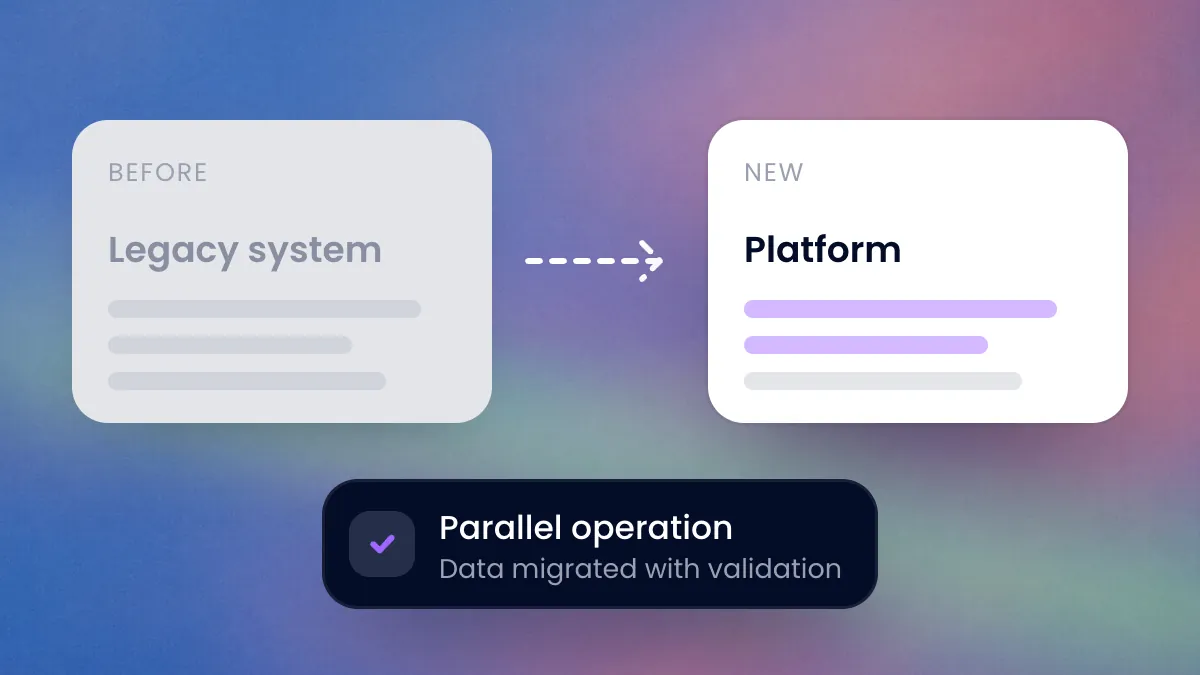
We replace legacy systems step by step, with parallel operation during the migration instead of big-bang risk. We migrate data with validation.
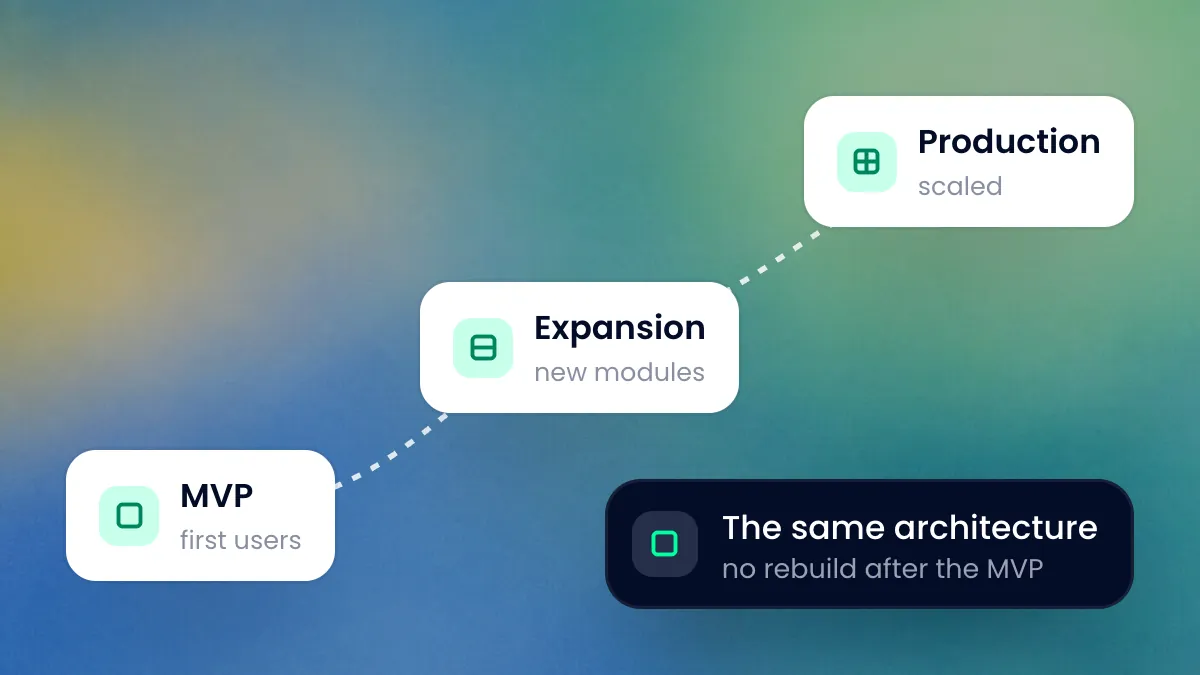
From minimum viable product to scalable platform. The same architecture in every phase, nothing thrown away after the proof of concept.
Specialist applications rarely work in isolation. The stack is the integration layer in between: it connects your systems via documented interfaces and brings together data from all sources.
SAP, Abacus, Microsoft Dynamics, industry-specific systems, databases or JSON and XML feeds: we connect to wherever your data lives and in whatever format it comes. The exchange runs in both directions, with error handling instead of manual exports.
With API Platform from the same codebase as the application: automatically documented as OpenAPI, versioned and secured via OAuth2/JWT. We assign access rights per endpoint and role, compliant with ISO/IEC 27001 and with audit logs.
RabbitMQ, Symfony Messenger and Azure Service Bus for reliable enterprise messaging. Transformation, protocol translation and routing in one place.
Clean, map, normalise, enrich. Raw source data becomes consistent records, with validation and documented rules instead of fragile ad hoc scripts.
Structured transfer of data from legacy systems: validation, mapping and transformation rules as a documented process, not as a one-off script.
Data is rarely where it is needed. Processed data goes to downstream systems or becomes directly usable: dashboards, reports and live views, consolidated from all connected sources.
We specifically safeguard business-critical processes such as the basket in the shop or the approval in the portal, before an error costs revenue or trust. To do this, each level checks only what it changes itself.
Every change to the stack goes through unit tests, static analysis and automated scenarios for processes such as login, forms and the editor, many of them in the browser. Only when everything is green does it move on.
What the stack already covers, we do not test twice. Your platform checks its own functions and customisations, on staging before every go-live and afterwards in operation with smoke tests and monitoring.
We check new components against the design and operation with keyboard and screen reader by hand, plus exploratory testing. For major changes, you carry out the acceptance yourself.
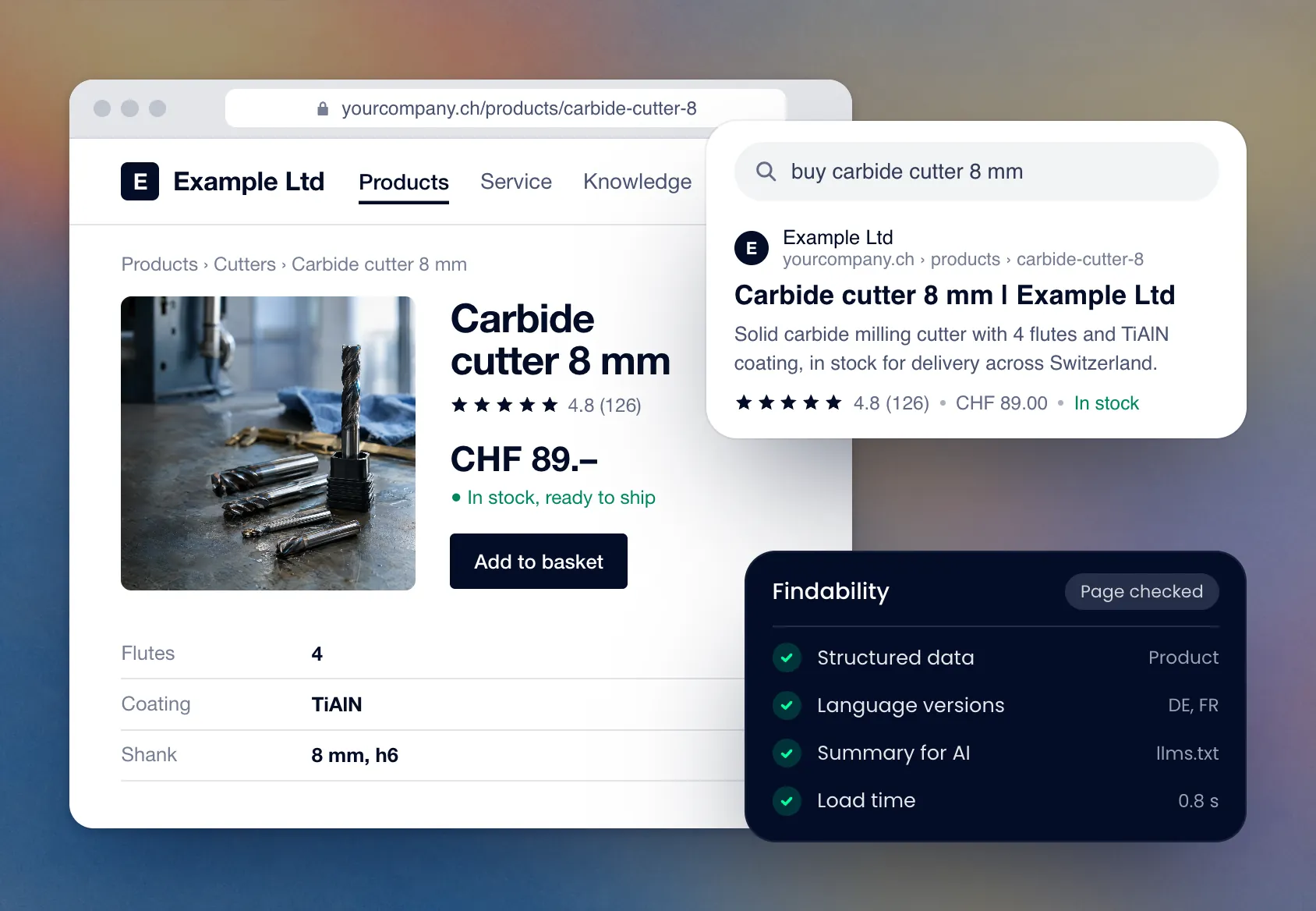
We consider findability from the start: for classic search engines and for AI systems that read, summarise and cite content.
Three platforms that came about this way, with roles, interfaces and data flows at their core.
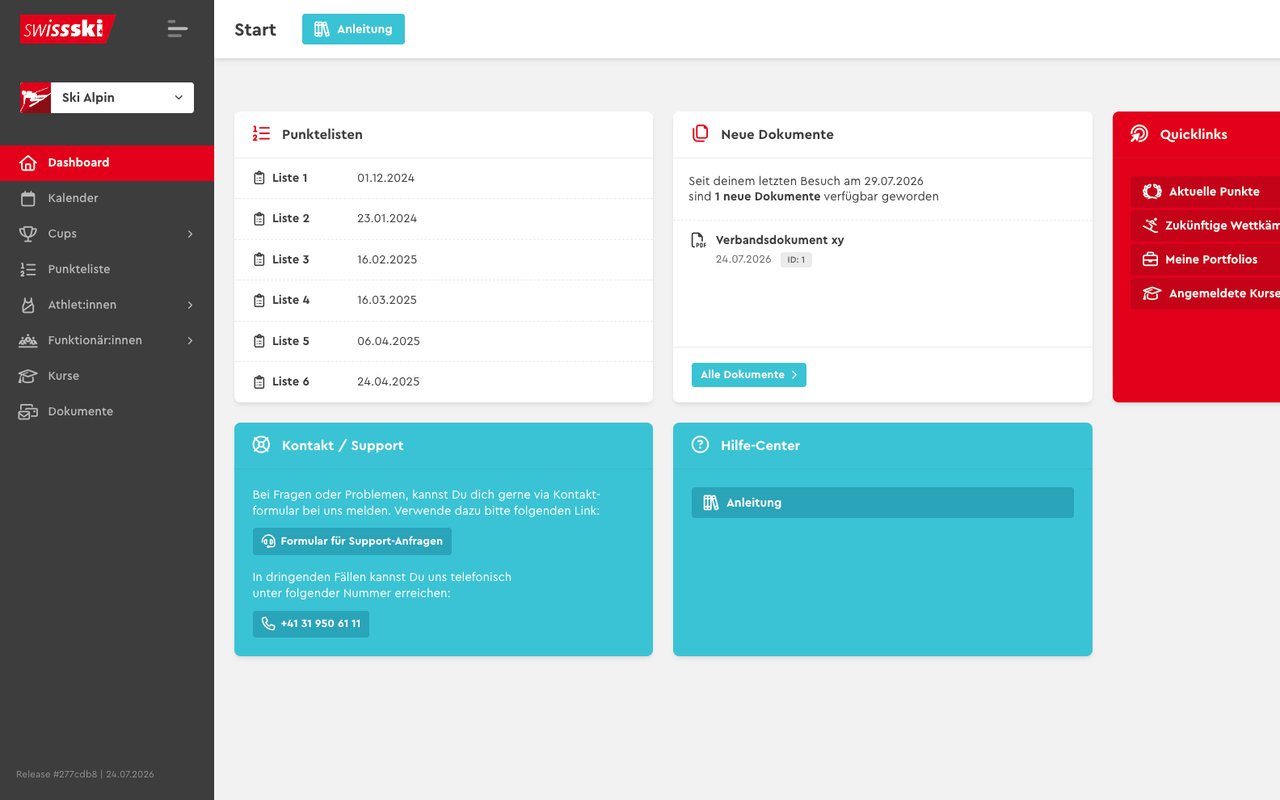
Calls for entries, registration, points and rankings in eleven disciplines, from club races to national level.
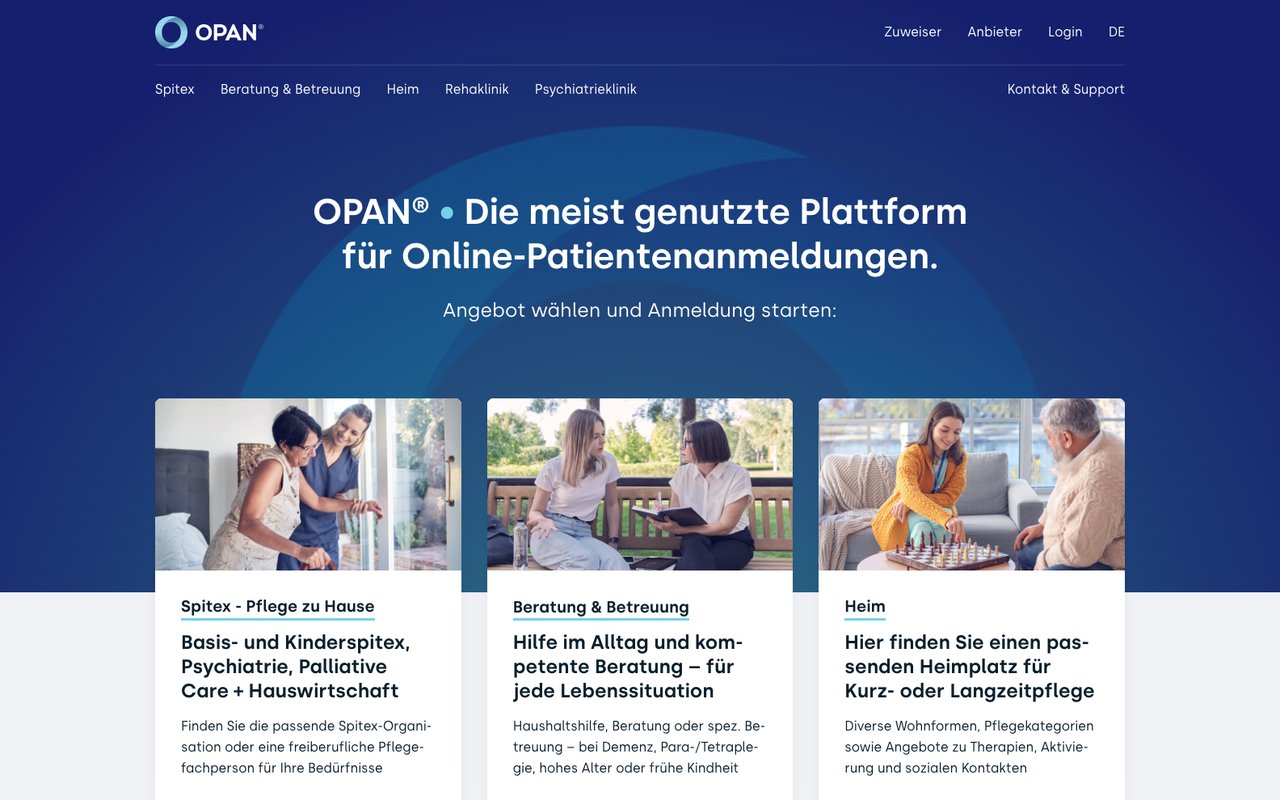
Referral platform for aftercare: hospitals, practices and private individuals register patients with Spitex, care homes and clinics and see available capacity.
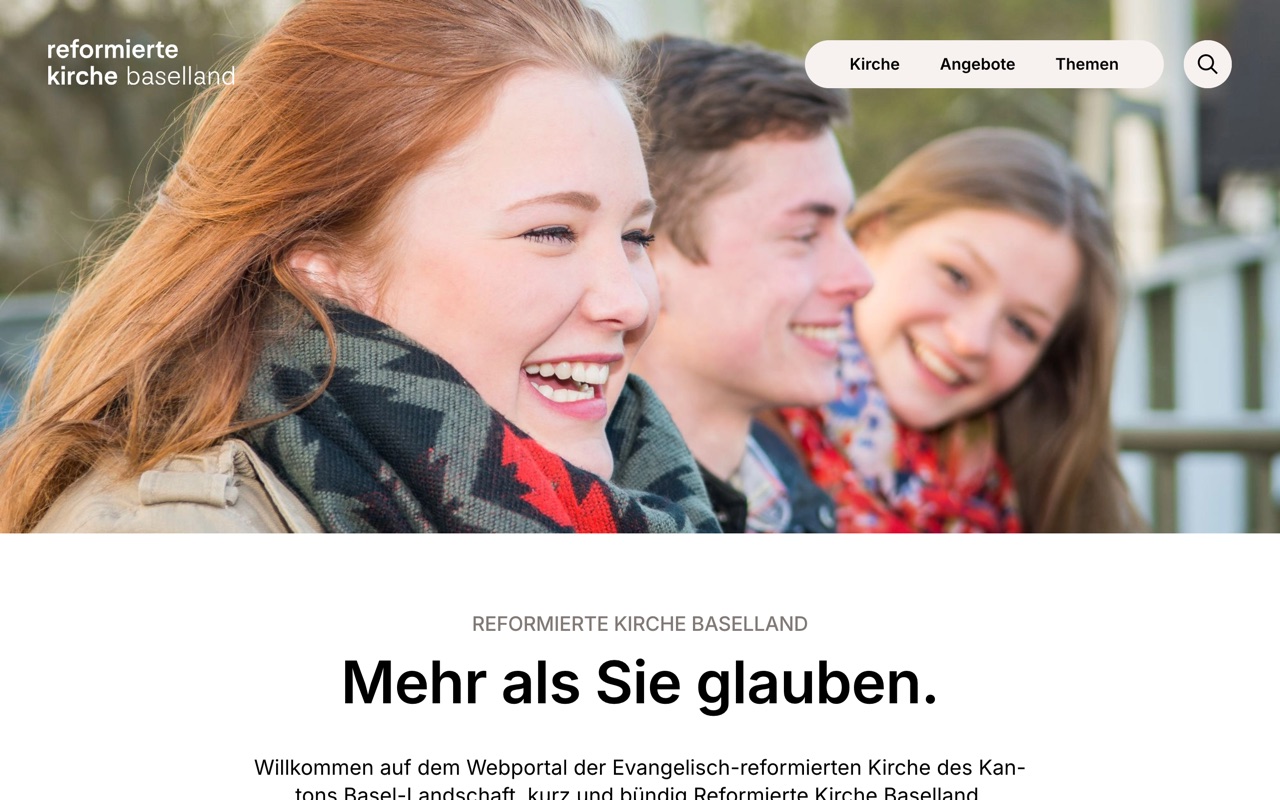
One platform for the cantonal church, specialist offices and parishes: Mandator bundle, shared CMS and the same calendar on every website.
Whether it’s a first idea or a concrete set of requirements: talk to our development team.