MCP: how AI assistants work with platforms
The open standard through which AI assistants work with platforms: how MCP works, what the assistant is allowed to do and where we use it in the stack.
Insights, technology and news from the team: what we build, what we build it with and what we learned along the way.
The open standard through which AI assistants work with platforms: how MCP works, what the assistant is allowed to do and where we use it in the stack.
Office Relocation by train for the first time. A week in Florence: three workshops, the Mercato Centrale and a cooking class on Friday.
With Forge we build our own apps in Jira that fit the way we work: from quote and project management through to invoicing.
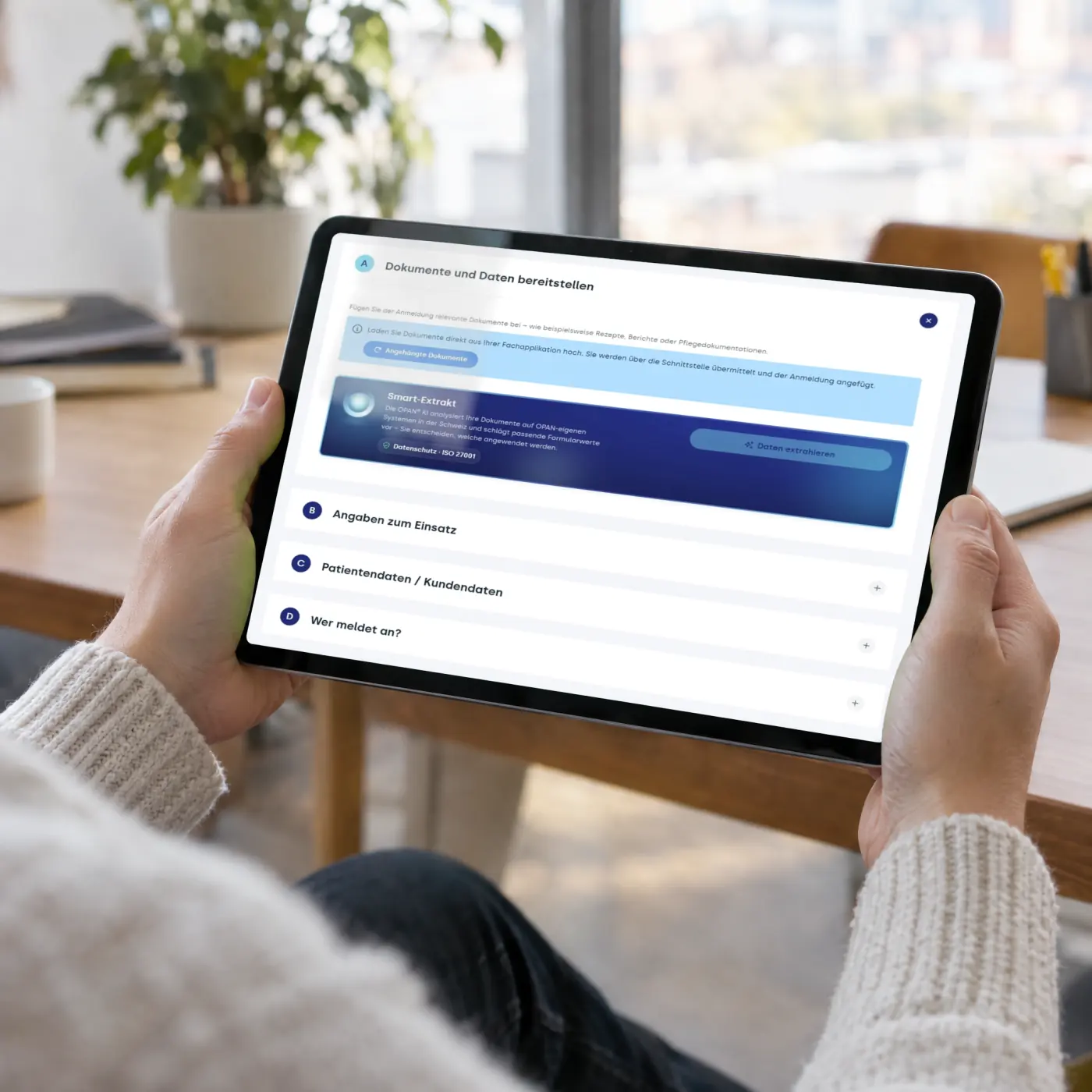
How OPAN® extracts details from documents: pipelines per input format, business logic in schemas and AI on dedicated hardware in Switzerland.
Where AI saves time in our development work: documentation, code reviews, security tests, prototypes. And what people still decide.
Information security with documented and audited processes, and what the road to an internationally recognised certification demanded.
Why we bring every client platform up to the same stack version, what a nightly build has to do with it and how a migration works.
Data centre move completed. Three things we would do exactly the same way next time, and one we will approach differently.
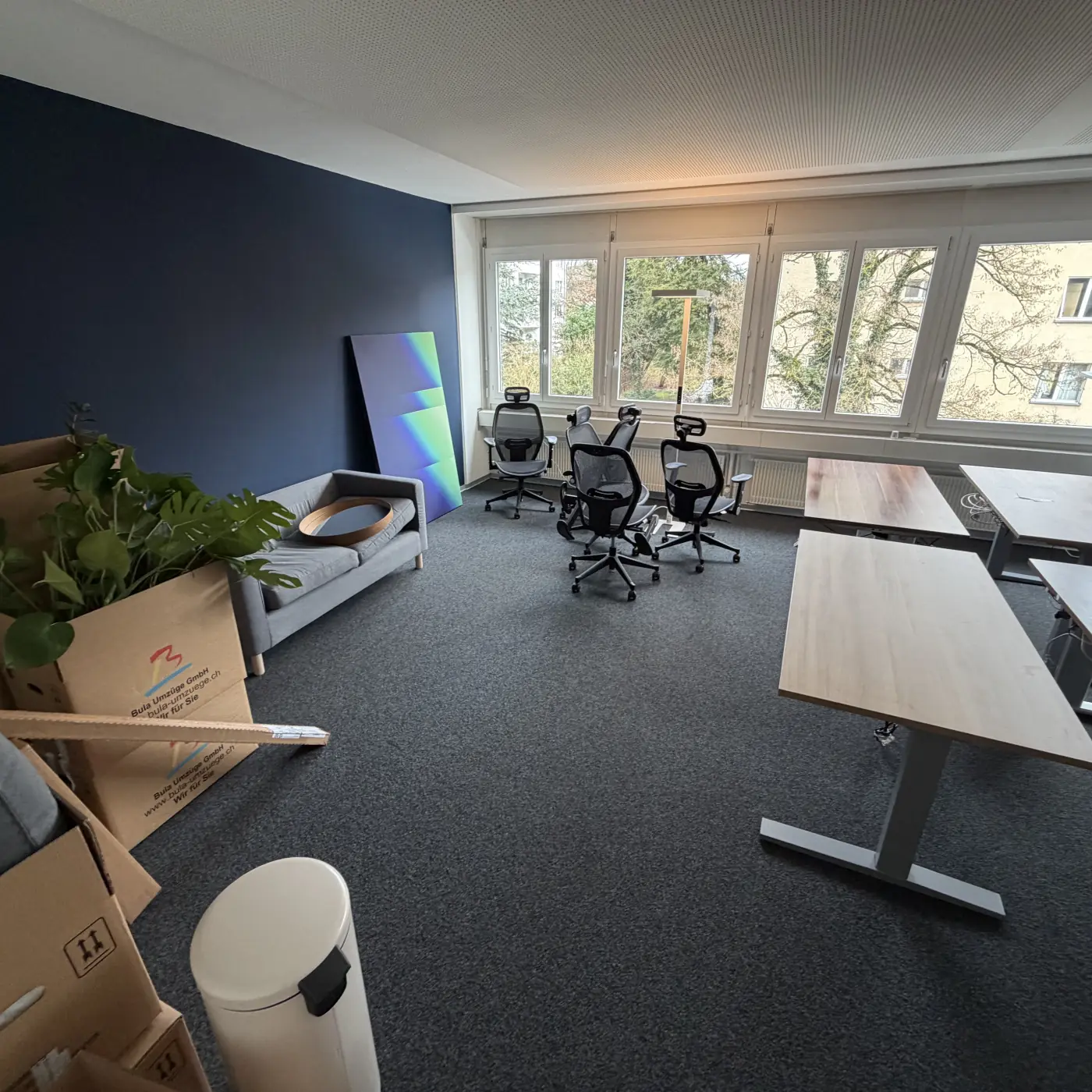
New address: Wabernstrasse 40, Bern. An office move, a data centre switch and a team that managed both in the same winter.
A hundred applications, 15 minutes of downtime per application, zero surprises: our plan for the move to the hosttech Virtual Data Center.
Three workshops in the morning, the city in the afternoon: ISO/IEC 27001 for everyone, Linux for development, DevTools for everyone. The ninth relocation week.
We run AI ourselves instead of just buying it in. Three reasons for the decision and three fields of application we are starting with.
18 people, a hotel in the centre, work from 8:00 to 16:00 and the city afterwards. The eighth relocation week, with a user test of our own CMS.
Design principles have changed in various ways over the past years. A look back at what has changed and what has stayed.
It looks like a simple feature, but there is more to it: our Coordinate Picker based on OpenLayers. Tedious copying of coordinates is now a thing of the past.
Or, put another way: digital transformation gives rise to online platforms. The role they play and how we support clients in such projects.
Greenfield projects from scratch, alongside the renewal of existing software on a new technology base. How we use both approaches and when each one works.
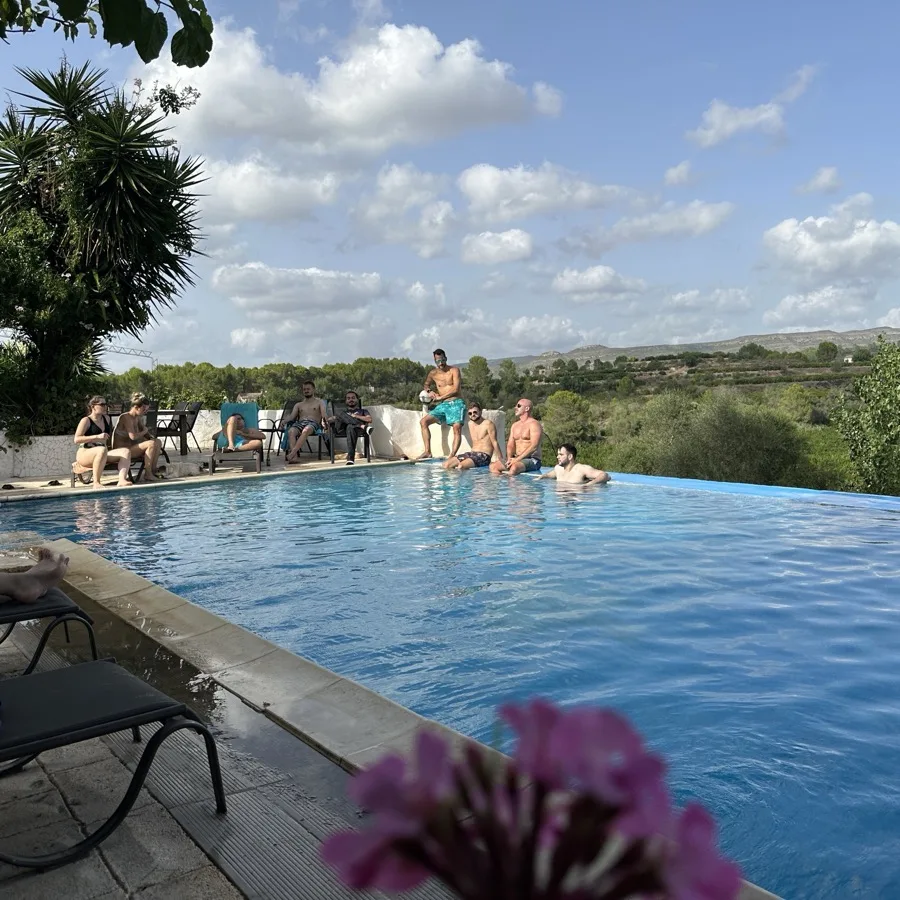
A finca in the hinterland, 18 people, three presentations and an API hackathon. On the free Friday, a boat trip from Valencia.
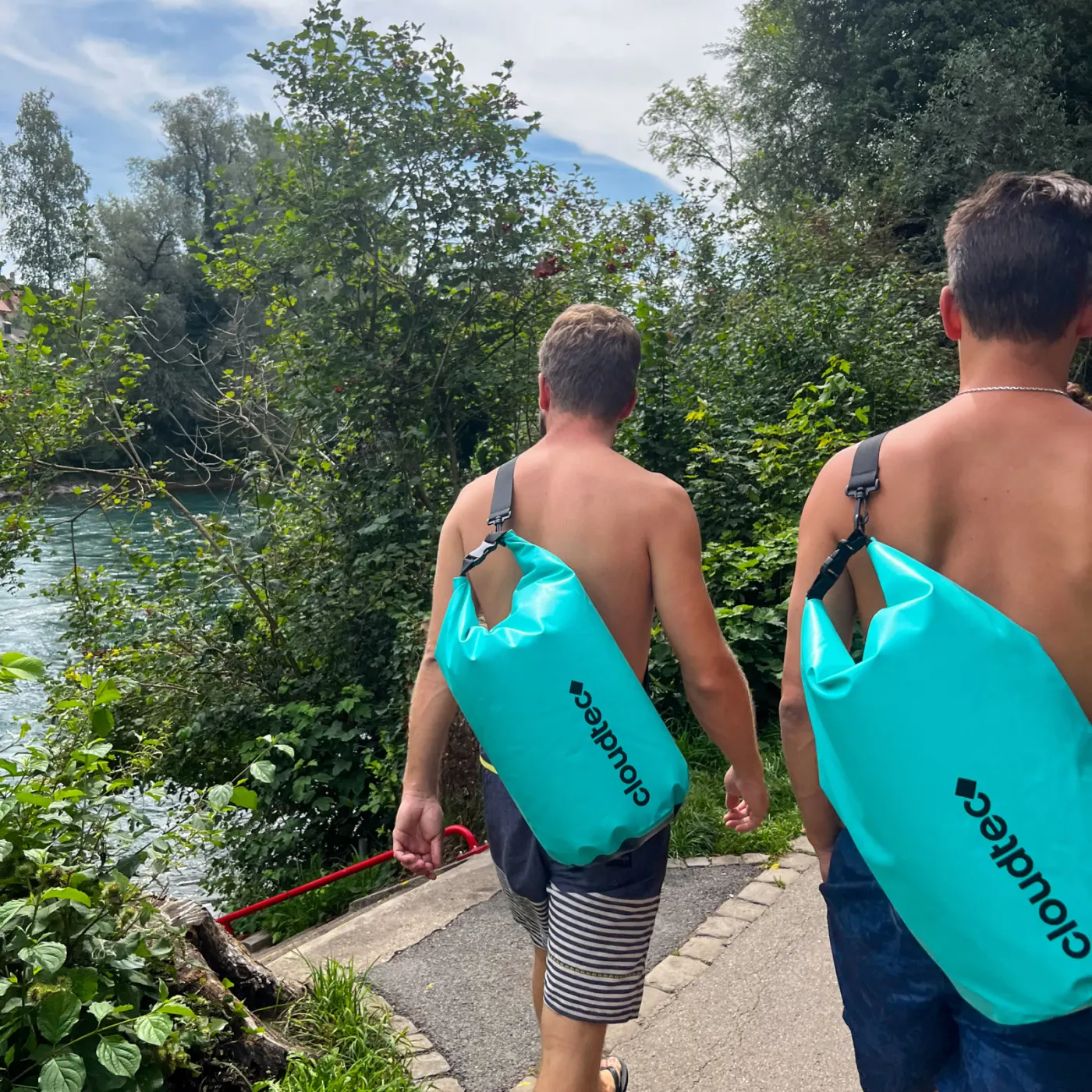
New arrivals, team events and completed projects: what happened at cloudtec in the first half of the year, and what the Aarebags are all about.
What makes open-source solutions special, why they form the core of our stack and what that means for maintainability and for our clients’ independence.
Digitising analogue processes is a big project. How we divide it into three phases, from concept through implementation to operations.
The search platform based on Apache Lucene: what it can do, how we integrate it and in which of our projects it is in use.
Maintain content once in a structured way and deliver it through any channel: why a headless approach makes content sustainable, flexible and future-proof.
Unit, integration and end-to-end tests working together: how we put together our testing mix so that platforms run reliably in production.
Too few tests cost stability, too many cost time. How we find the right balance and what we base it on.
From the first sketch to the clickable prototype: how we make ideas visible early and gather feedback before a single line of code is written.
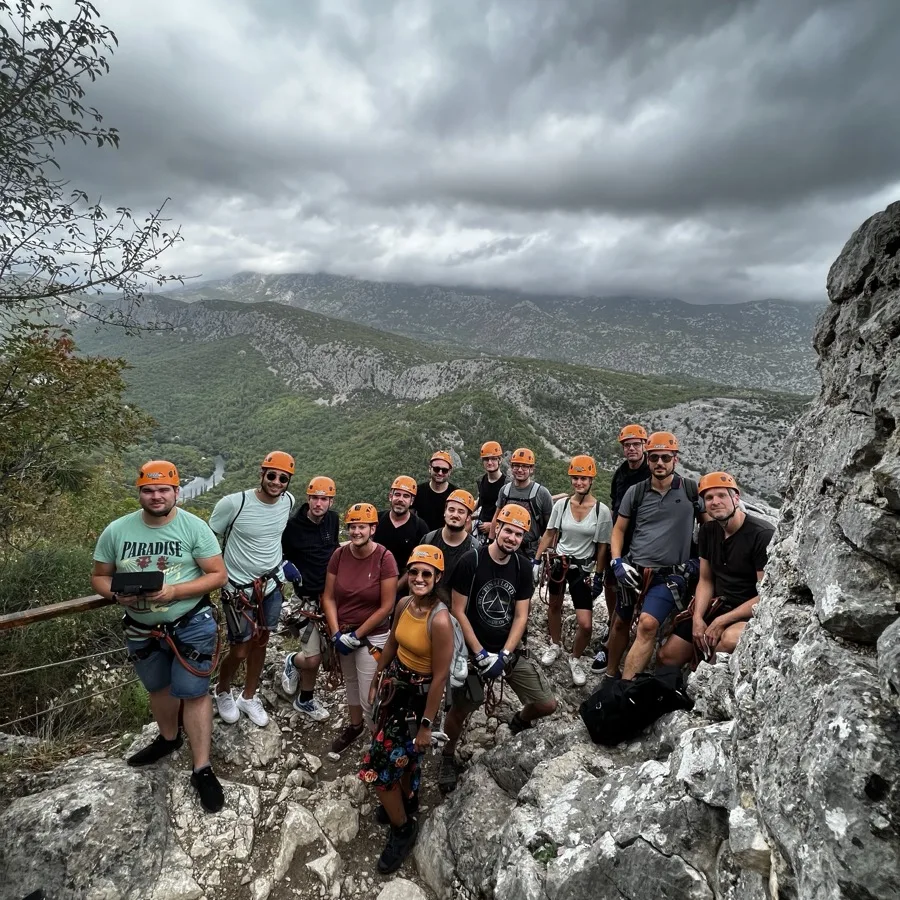
Two villas near Sevid, work from 8:00 to 16:00, a competition against our own CMS and a zipline tour near Omiš.
From commit to go-live without manual work: how we automate builds, tests and deployments with Bitbucket Pipelines.
Managing containers clearly in the Swiss Virtual Data Center: the role Portainer and the VDC play in our cloud architecture.
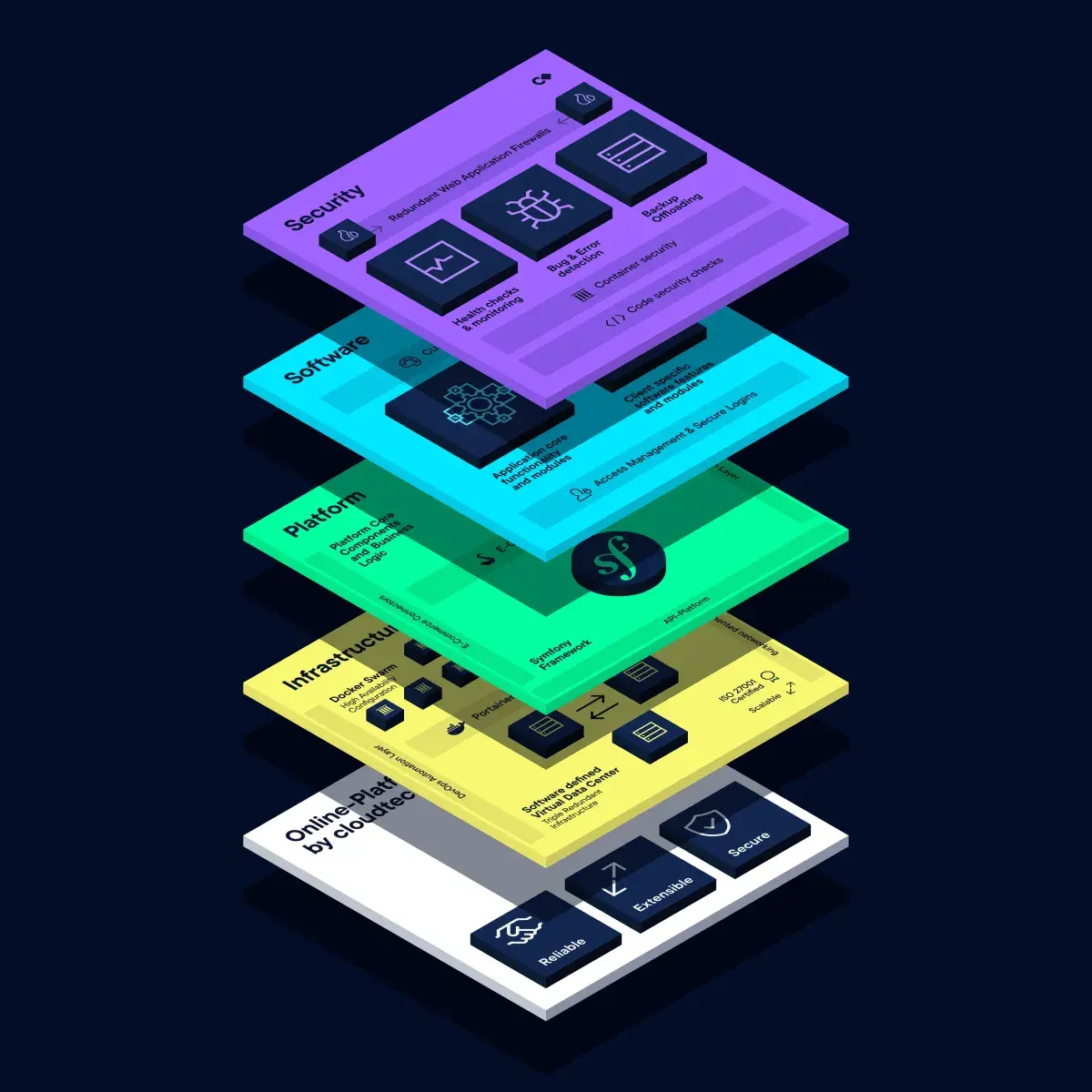
A hardened foundation of infrastructure, framework and modules: what our platform stack consists of and why we build on it.
60% foundation, 40% individual solution: how our stack serves as the basis for tailor-made online platforms and portals.
Figures that convince and stay accessible: how digital annual reports present a company in a responsive, accessible and multilingual way.
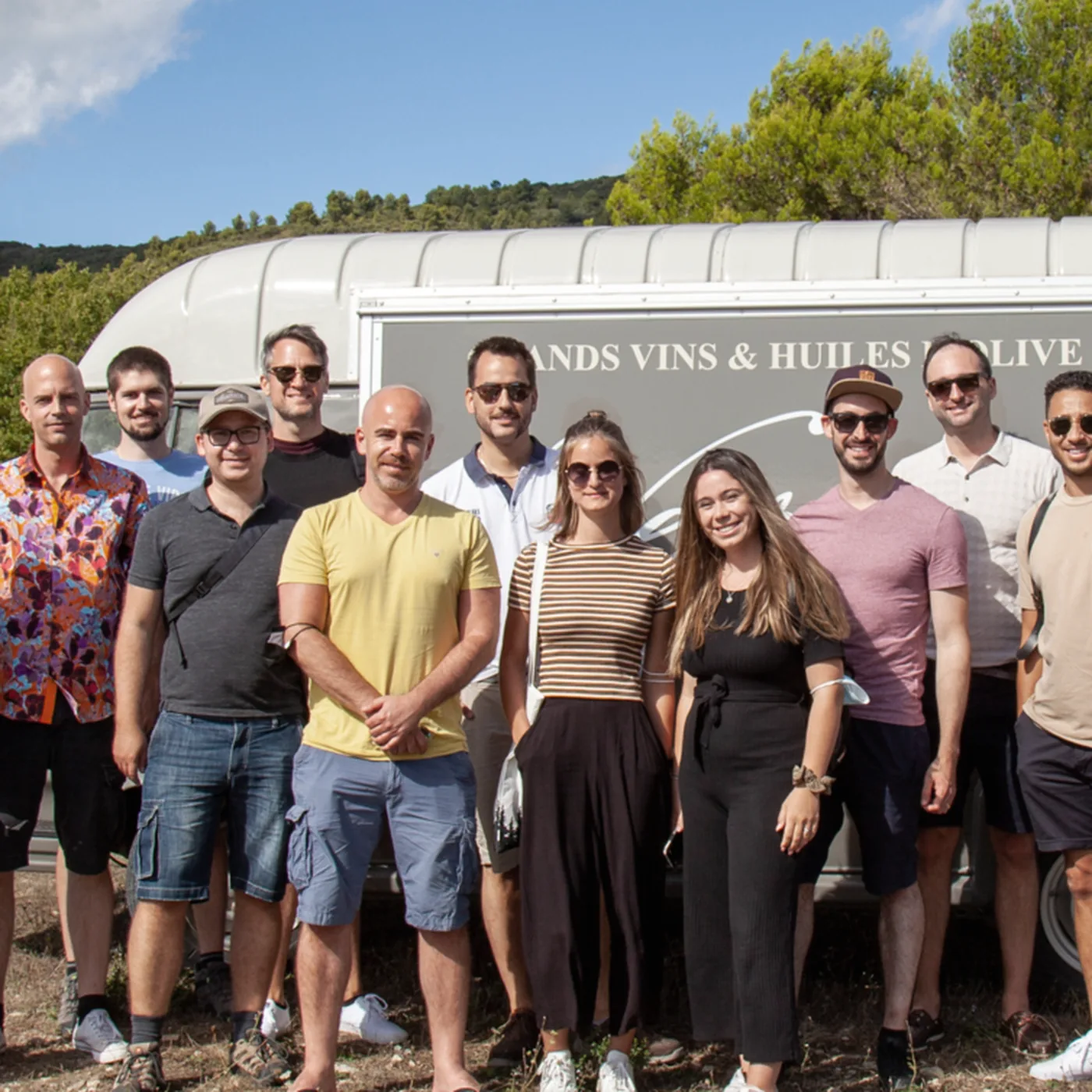
Back abroad after the coronavirus break: a week in Robion in Provence, and what operations need to make it work.
What the revised Swiss Data Protection Act means for online platforms and how we support clients with implementation.
Systems that talk to each other: why APIs are the link between modern platforms and how we use them in projects.
Specialist retail and online combined: how we built an omni-channel platform for Stöckli with product catalogue, ordering and warehouse.
Four tools accompany every platform project. Part 1 shows the two from the concept phase: the story map and the mockup.
Planning with Jira, documenting with Confluence: the two tools that hold a project together after the concept phase, part 2.
Development and operations from Switzerland: why Swiss made Software and Swiss made Hosting stand for data protection, proximity and reliability.